Graduate Program
The M.A. English program at Georgetown is dynamic, innovative, and committed to offering students a breadth of choice and a variety of opportunities for scholarly and professional specialization and development. Join Georgetown’s Vibrant Graduate Community.
Prospective Students
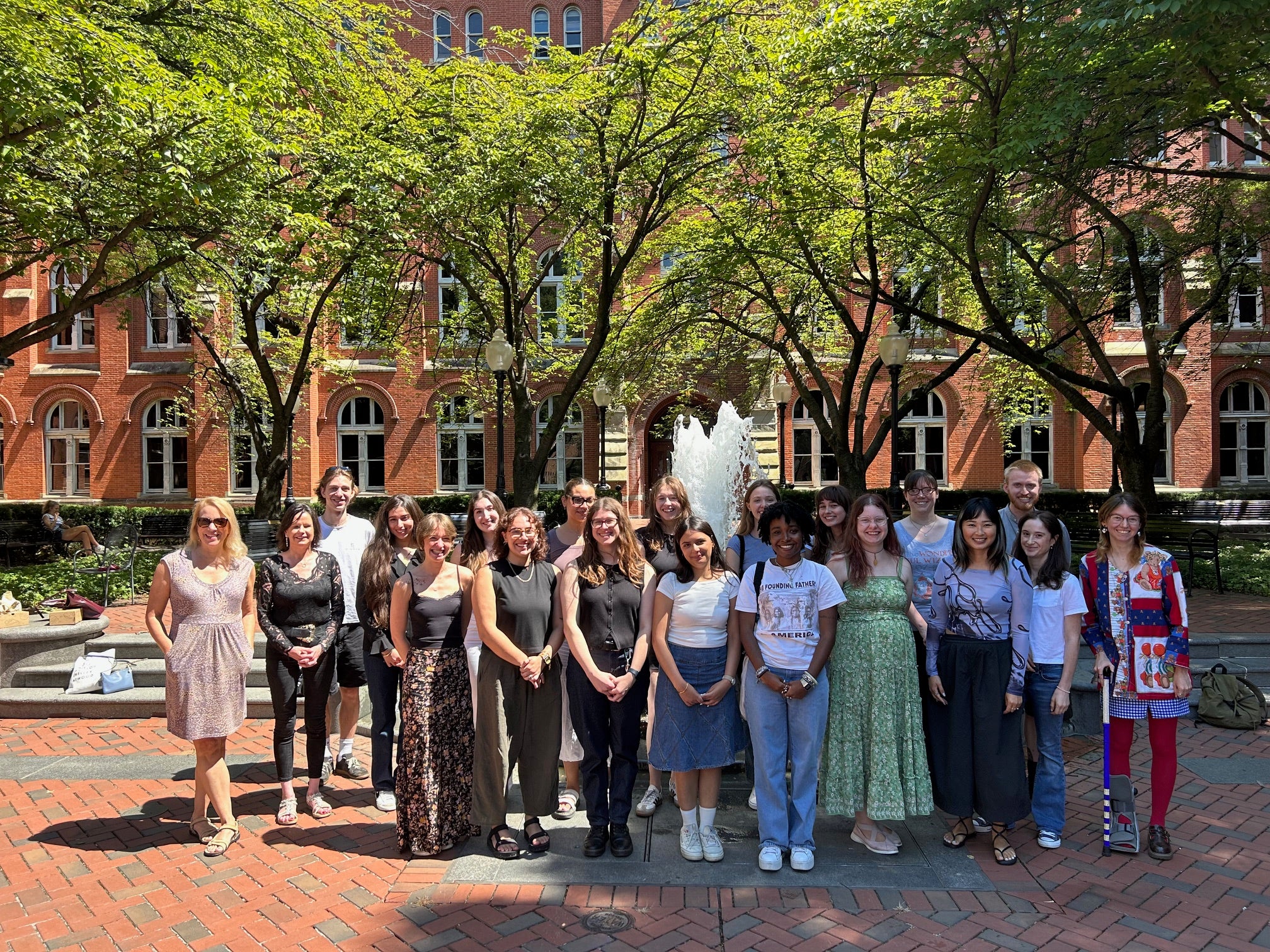
We welcome applications from students aspiring to careers in writing, editing, teaching, and many other fields requiring advanced skills in written communication, critical analysis, and research, as we do from those intending to pursue a Ph.D. elsewhere after completing an M.A. at Georgetown.
Contact the Program Administrator if you need more information about the program. Students considering visiting the Georgetown campus should make every effort to schedule their visit in advance with the Program Administrator, who can make additional appointments with the DGS and/or other program faculty.
Our Approach: Interdisciplinary Variety
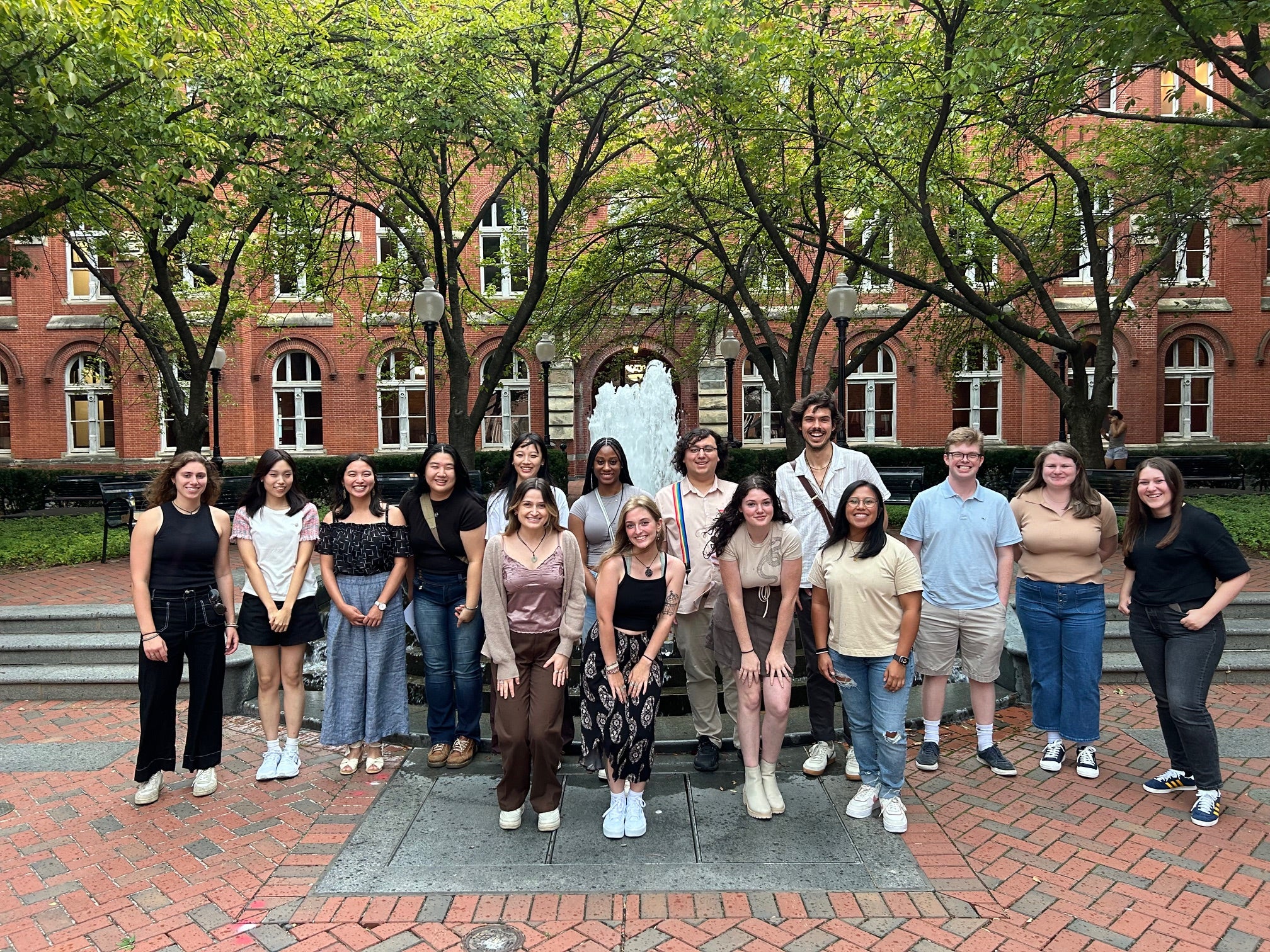
The seminars offered each year reflect the faculty’s broad interests but also allow students to develop sub-fields of study in several areas based on courses being offered in a given year; these may include Medieval Studies, the Early Modern period, British and Trans-Atlantic 18th-Century Studies, Romanticism, British and American 19th-Century Studies, 20th and 21st-Century American Literature & Culture, Critical Theory, and Irish and other Anglophone World literatures, as well as in a variety of emerging interdisciplinary fields including: cultural studies; ethnic, race and post-colonial studies; gender and sexuality studies; disability studies; and performance, film and media studies.
Learn More About the M.A. Program
Where a Georgetown English Degree Can Take You
We have an excellent and consistent record of placing our graduates in top Ph.D. programs, including: Harvard, The Graduate Center at CUNY, NYU, Northwestern, UVA, University of California at Berkeley, Duke, University of Southern California, Princeton, Stanford, McGill, Ohio State, and GWU.
We also have a record of placing graduates into other advanced MFA, MLIS, MEd, and JD programs, including: UNC–Chapel Hill, University of California at Riverside, University of New Mexico, University of Maryland, GWU, Columbia Law School, University of Maryland School of Law; plus a couple recent Fulbright Scholars.
What You’ll Learn: Writing Pedagogy
Our program boasts a strong commitment to training students in the teaching of writing through a combination of coursework, direct individual and group mentoring from the Writing Program and other faculty, and hands-on, practical experience in apprentice-teaching and peer-tutoring settings.
Writing Program: The Teaching of Writing Apprenticeship in Teaching ProgramConnect With Our Graduate Team
Have questions or need guidance? Explore our FAQ or take a closer look at the M.A. in English Program to see if it’s the right fit for you. For personalized support, reach out to our Director of Graduate Studies, Professor Lori Merish—we’re here to help you take the next step.
Please note: If you are awarded the Truman Scholarship, Georgetown University will provide a match of up to $30,000 to cover cost-of-education expenses, e.g. tuition and related fees, living expenses, textbooks, etc.